

Could a beam of tiny particles be the breakthrough you need to overcome a difficult diagnosis? We know that facing cancer requires great courage and the best possible tools available today. This journey is often filled with tough choices and deep reflection for everyone involved.
In this guide, we explore how specialized care is changing lives for families across the globe. We want to show you the benefits of heavy ion therapy and how this precision technology protects your healthy cells. Our goal is to provide clarity and peace of mind during a stressful time.
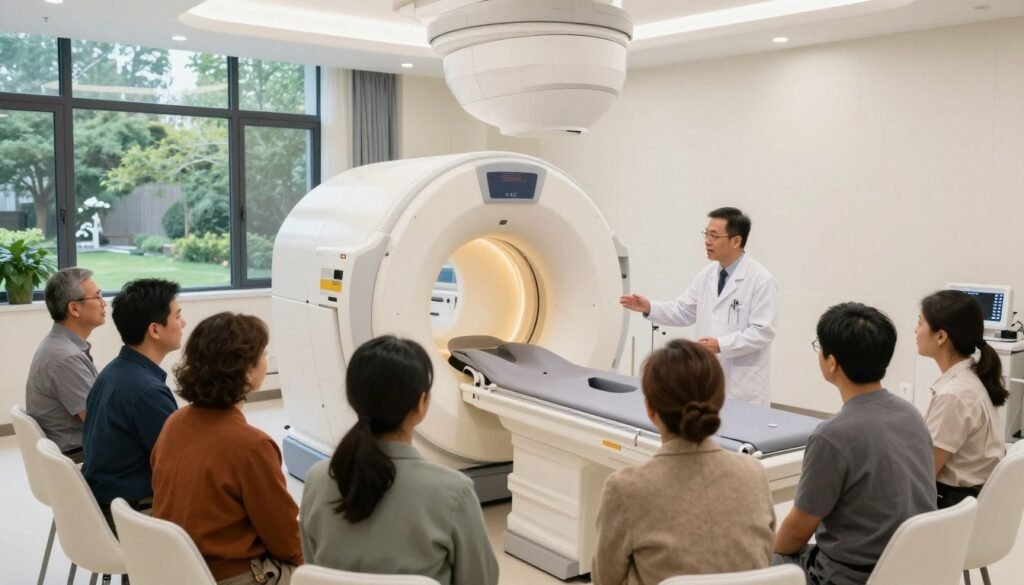
Choosing a medical path often brings many questions about logistics, travel, and long-term results. Our team focuses on assisting families from Saudi Arabia in finding top-tier medical solutions that offer a path toward healing and strength.
Understanding the china cost is also a vital part of your planning process for international care.
If you need help with your medical journey, send your Medical Report for review.
The medical community has been abuzz with the potential of heavy ion therapy, a cutting-edge treatment that targets cancer cells with unprecedented accuracy. As we explore this innovative therapy, it’s essential to understand its fundamentals and how it works against cancer. Heavy ion therapy, also known as carbon ion radiotherapy, is a form of radiation therapy that uses high-energy carbon ions to destroy cancer cells.
Heavy ion therapy is a sophisticated form of cancer treatment that utilizes high-energy particles to kill cancer cells. Unlike traditional radiation therapy, which uses X-rays, heavy ion therapy employs carbon ions that are accelerated to nearly the speed of light. This allows for a more precise delivery of radiation directly to the tumor site, minimizing damage to surrounding healthy tissues.
The effectiveness of heavy ion therapy lies in its ability to target cancer cells with pinpoint accuracy. This is achieved through a complex process involving advanced technology and physics.
Carbon ion radiation works by damaging the DNA of cancer cells, thereby preventing them from dividing and growing. The carbon ions are accelerated in a synchrotron or cyclotron and then directed at the tumor. The energy released by the carbon ions is maximized at a specific depth, known as the Bragg peak, which corresponds to the location of the tumor. This results in a high dose of radiation being delivered directly to the tumor while sparing surrounding tissues.
One of the significant advantages of heavy ion therapy is its precision. The therapy can be tailored to the specific shape and size of the tumor, ensuring that the radiation is delivered exactly where it’s needed. This precision reduces the risk of damage to nearby healthy tissues and organs, which is a common issue with conventional radiation therapy.
Heavy ion therapy has shown effectiveness in treating various types of cancers, particularly those that are resistant to conventional radiation therapy or are located in sensitive areas. Some of the cancers that can be treated with heavy ion therapy include:
By understanding the capabilities and applications of heavy ion therapy, we can appreciate its potential to improve cancer treatment outcomes and offer new hope to patients worldwide.
With substantial investments in medical infrastructure, China has become a preferred choice for heavy ion treatment. The country’s commitment to advancing cancer treatment technology has been a significant factor in its emergence as a leading destination for international patients seeking heavy ion therapy.
China has made considerable investments in developing its heavy ion therapy capabilities. This includes the establishment of state-of-the-art facilities equipped with the latest technology. Our top heavy ion therapy centers are now among the best in the world, offering treatment options that are both effective and efficient.
The investment in advanced cancer treatment technology has not only enhanced the quality of care but also increased accessibility for patients. Some of the key features of China’s heavy ion therapy centers include:
There has been a notable increase in medical tourism from the Middle East to China, with many patients traveling to China for heavy ion therapy. This trend is driven by the cost-effective heavy ion therapy in China and the high quality of care available.
Saudi Arabian patients, in particular, have found China to be an attractive destination for heavy ion therapy due to its proximity, compared to other countries offering similar treatments, and the availability of specialized medical services. Many Chinese hospitals now offer comprehensive international patient services, making it easier for foreign patients to access the care they need.
To cater to the growing number of international patients, many heavy ion therapy centers in China now offer language support and international patient services. These services include:
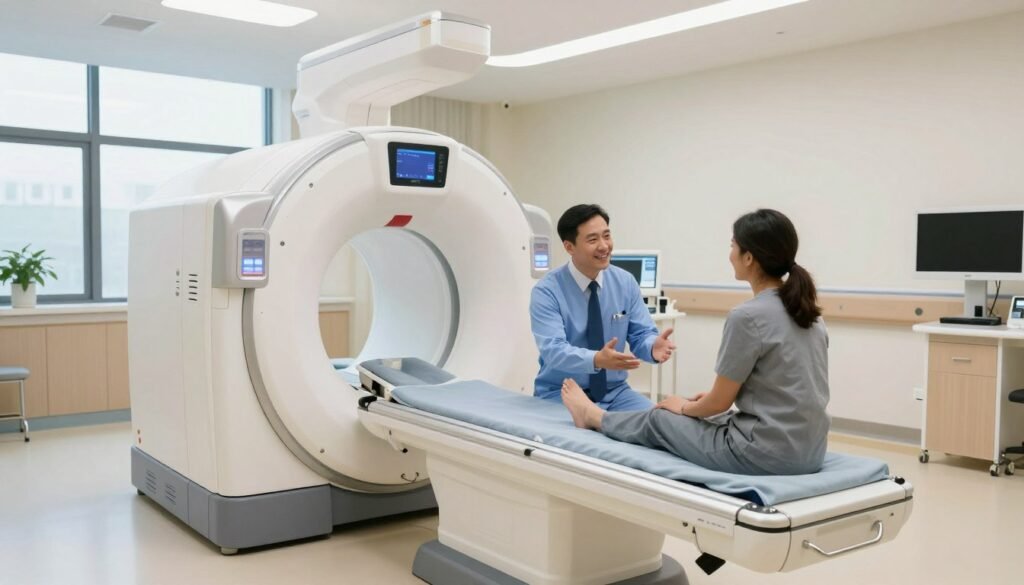
By providing these services, China has made it easier for international patients to access heavy ion therapy, further solidifying its position as a leading destination for this treatment.
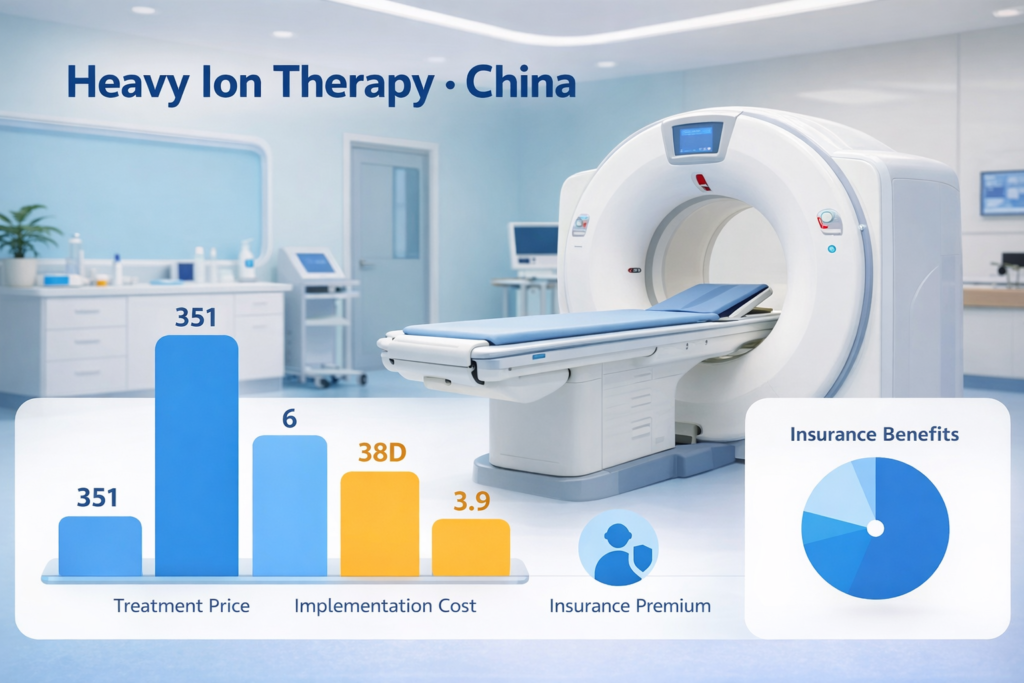
When considering heavy ion therapy in China, understanding the costs involved is crucial for making an informed decision. The expenses associated with this advanced cancer treatment can vary based on several factors.
The cost of heavy ion therapy in China is competitive compared to other countries offering this treatment. On average, the total cost for a complete treatment package can range from $30,000 to $60,000.
The type of cancer being treated significantly influences the overall cost. For instance, treating certain types of tumors may require more sessions or complex treatment planning, thereby increasing the cost.
Cancer Type | Average Cost Range |
Liver Cancer | $35,000 – $50,000 |
Prostate Cancer | $30,000 – $45,000 |
Lung Cancer | $40,000 – $60,000 |
If you need help with your medical journey, send your Medical Report for review.
Medical centers in China offer both session-based pricing and complete treatment packages. Session-based pricing can range from $1,000 to $2,000 per session, while complete packages often include additional services such as consultation, treatment planning, and follow-up care.
Several factors can influence the cost of heavy ion therapy, including the reputation of the medical center, the expertise of the medical team, and the technology used.
International patients should also consider additional expenses such as accommodation, travel, and medical visa fees when planning their treatment in China.
Accommodation costs can vary widely depending on the location and type of accommodation chosen. Travel expenses, including flights and local transportation, should also be factored into the overall budget.
Obtaining a medical visa for China involves certain fees and documentation processes. Patients should consult with their chosen medical center or a travel agent to understand these requirements and associated costs.
As a cutting-edge cancer treatment, heavy ion therapy offers several benefits that set it apart from conventional radiation therapy. We have observed a growing interest in this therapy due to its advanced technology and promising outcomes.
Heavy ion therapy has several advantages over traditional radiation therapy. Two significant benefits are its higher precision and shorter treatment duration.
One of the key advantages of heavy ion therapy is its ability to deliver a high dose of radiation directly to the tumor while minimizing damage to surrounding healthy tissues. This precision is crucial in reducing the risk of complications and improving patient outcomes.
Unlike conventional radiation therapy, which may require multiple sessions over several weeks, heavy ion therapy typically has a shorter treatment duration. This not only improves patient compliance but also reduces the overall cost of treatment.
Numerous studies have demonstrated the effectiveness of heavy ion therapy in treating various types of cancer. The success rates are promising, with many patients experiencing significant tumor reduction or complete remission.
Cancer Type | Success Rate | Average Treatment Duration |
Liver Cancer | 80% | 4 weeks |
Lung Cancer | 75% | 3 weeks |
Prostate Cancer | 90% | 4 weeks |
Heavy ion therapy is associated with reduced side effects compared to conventional radiation therapy. This is largely due to its precision in targeting tumors.
Patients undergoing heavy ion therapy often report a better quality of life during and after treatment. The reduced side effects and shorter treatment duration contribute to this improvement.
By choosing heavy ion therapy, patients can benefit from a treatment that not only targets cancer effectively but also prioritizes their overall well-being.
As cancer treatment continues to evolve, heavy ion therapy stands out as a potentially more effective and less invasive option compared to traditional methods. We will explore the differences between heavy ion therapy and conventional treatments, helping patients make informed decisions about their care.
Heavy ion therapy and conventional radiation therapy are both used to treat cancer, but they differ significantly in their approach. Conventional radiation therapy uses X-rays or gamma rays to kill cancer cells, whereas heavy ion therapy uses high-energy ions. This difference gives heavy ion therapy an edge in precision and effectiveness, particularly for tumors close to critical organs.
Key differences include:
According to a study published in a leading medical journal, “Heavy ion therapy has shown remarkable results in treating complex tumors with minimal side effects.”
“The precision of heavy ion therapy allows for the delivery of high doses to tumors while sparing surrounding tissues, leading to improved patient outcomes.”
When comparing heavy ion therapy to chemotherapy, several factors come into play, including effectiveness, side effects, and quality of life. Heavy ion therapy is a localized treatment, targeting specific tumors without affecting the entire body, unlike chemotherapy, which is systemic.
Treatment Aspect | Heavy Ion Therapy | Chemotherapy |
Effectiveness | Highly effective for certain tumor types | Effective for various cancers, but can have varying success rates |
Side Effects | Generally fewer side effects due to its localized nature | Can have significant side effects due to its systemic nature |
Quality of Life | Tends to preserve quality of life better due to fewer side effects | Can significantly impact quality of life during treatment |
While heavy ion therapy offers several advantages, it’s essential to consider its risks and compare them with those of standard treatments.
As with any cancer treatment, heavy ion therapy can have side effects, though they are generally fewer and less severe than those associated with conventional radiation or chemotherapy. Common side effects include fatigue and localized reactions.
Long-term safety data on heavy ion therapy is still being collected, but initial studies indicate a favorable safety profile. We continue to monitor and report on the long-term outcomes of patients undergoing heavy ion therapy.
In conclusion, heavy ion therapy presents a compelling alternative to traditional cancer treatments, offering precision, effectiveness, and a potentially better quality of life. As we continue to advance in cancer treatment, understanding the nuances of each treatment option is crucial for making informed decisions.
If you need help with your medical journey, send your Medical Report for review.
For international patients, China offers some of the most advanced heavy ion therapy centers, combining cutting-edge technology with experienced medical professionals. These centers have not only gained recognition within China but have also become a preferred destination for medical tourism, especially for patients seeking high-quality cancer treatment.
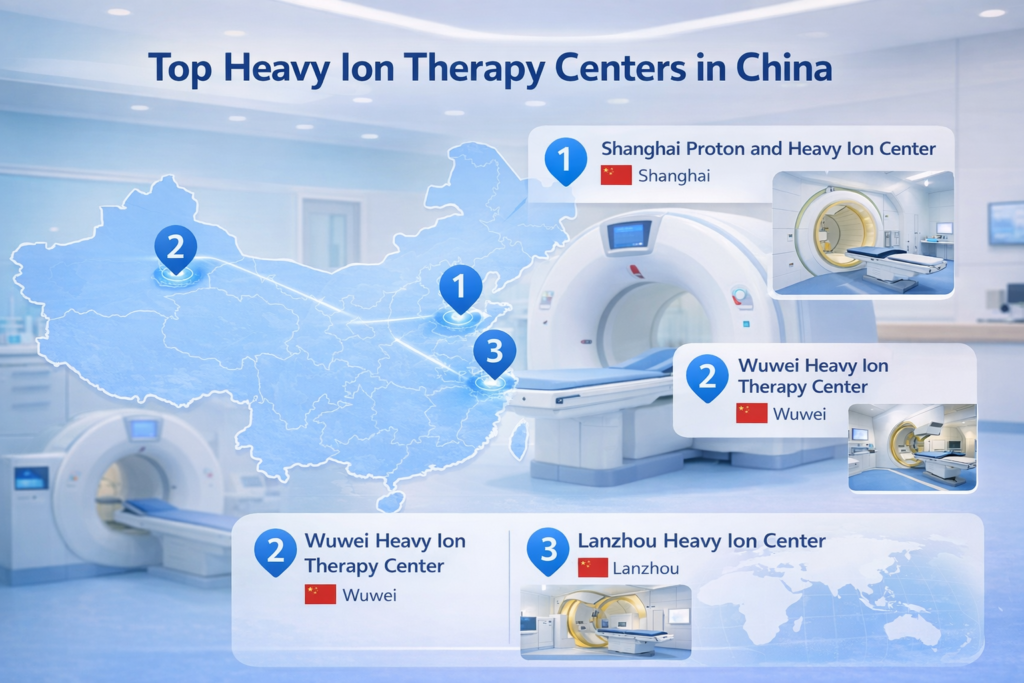
China is home to several world-class heavy ion therapy centers. Here are some of the top facilities:
The Shanghai Proton and Heavy Ion Center is one of the most renowned facilities in China, known for its advanced technology and successful treatment outcomes. It has been at the forefront of heavy ion therapy, offering precise and effective treatment for various types of cancer.
Located in Gansu Province, the Wuwei Heavy Ion Center is another leading facility that has gained international recognition. It is equipped with state-of-the-art heavy ion therapy equipment and staffed by a team of experienced oncologists and medical physicists.
The Institute of Modern Physics Heavy Ion Therapy Facility is a pioneering center that has made significant contributions to the development of heavy ion therapy. It offers a comprehensive range of treatment options for cancer patients and is known for its innovative approach to cancer treatment.
One of the significant advantages of seeking heavy ion therapy in China is its cost-effectiveness. Compared to many other countries, China offers competitive pricing without compromising on the quality of care.
The cost of heavy ion therapy can vary significantly from one country to another. Here’s a comparison of the costs in China, Japan, and Germany:
Country | Average Cost per Treatment Session | Total Treatment Cost |
China | $1,500 – $2,500 | $30,000 – $50,000 |
Japan | $2,000 – $3,500 | $40,000 – $70,000 |
Germany | $2,500 – $4,000 | $50,000 – $80,000 |
While both China and Japan offer high-quality heavy ion therapy, the cost in China is generally more competitive. Patients can expect to save between 20% to 30% on their total treatment cost by choosing China over Japan.
The difference in treatment costs between China and Germany is even more pronounced, with China offering significantly lower prices. This makes China an attractive option for international patients seeking affordable heavy ion therapy without compromising on quality.
If you’re considering heavy ion therapy in China, our medical coordination team is here to assist you with all your treatment arrangements. We understand the complexities involved in seeking medical care abroad and are committed to making your experience as smooth as possible.
As we have explored throughout this article, heavy ion therapy is a highly effective cancer treatment that offers numerous benefits, including reduced side effects and faster recovery times. China’s advanced medical infrastructure and competitive pricing make it an attractive destination for international patients seeking this cutting-edge therapy.
The benefits of heavy ion therapy are clear, with its precision in targeting tumors and sparing healthy tissue. When considering heavy ion therapy China cost, it’s essential to factor in the overall value, including the quality of care and state-of-the-art technology.
We encourage cancer patients and their families to explore heavy ion therapy as a viable treatment option. For more information on heavy ion therapy china cost and to arrange treatment at one of China’s top medical centers, please don’t hesitate to contact us.